Understanding the Gordon Setter Breeding Process

Breeding dogs is a complex and rewarding endeavor, especially when it comes to a breed as distinguished as the Gordon Setter. Known for their striking appearance and gentle temperament, Gordon Setters are a favorite among hunting enthusiasts and families alike. However, breeding these dogs requires a deep understanding of genetics, health considerations, and ethical practices. In this post, we will explore the intricacies of the Gordon Setter breeding process, providing insights and practical tips for aspiring breeders.

The History of the Gordon Setter
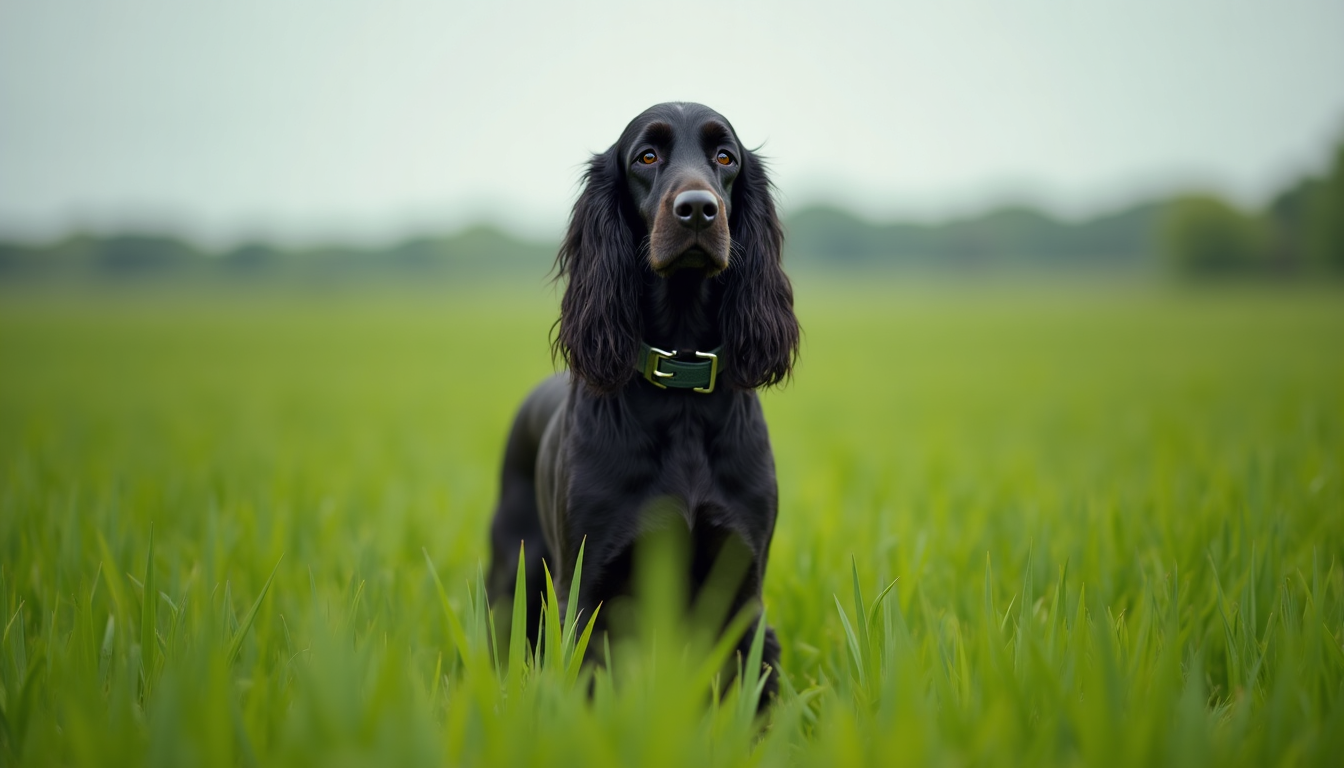
To appreciate the breeding process, it’s essential to understand the history of the Gordon Setter. Originating in Scotland, this breed was developed in the 17th century by the fourth Duke of Gordon. The breed was initially used for hunting game birds, thanks to their excellent sense of smell and strong retrieving instincts. Over the years, the Gordon Setter has become known for its loyalty, intelligence, and striking black and tan coat.
Key Characteristics of the Gordon Setter
Before diving into the breeding process, let’s highlight some key characteristics of the Gordon Setter:
Temperament: They are known for being affectionate, loyal, and good with children.
Size: Adult males typically weigh between 55-80 pounds, while females range from 45-70 pounds.
Coat: Their long, silky fur requires regular grooming to prevent matting and maintain health.
Exercise Needs: Gordon Setters are energetic and require daily exercise to stay healthy and happy.
Understanding these traits is crucial for breeders, as they influence the selection of breeding pairs.
The Breeding Process
Selecting Breeding Pairs
The first step in the breeding process is selecting the right pairs. This involves considering several factors:
Health Testing: Both the sire (male) and dam (female) should undergo health screenings for common genetic disorders, such as hip dysplasia and eye conditions. This ensures that the puppies have the best chance of being healthy.
Temperament: It’s important to choose dogs with stable temperaments. This will help ensure that the puppies inherit desirable traits.
Conformation: Breeders should evaluate the physical characteristics of the dogs against breed standards. This includes size, coat quality, and overall appearance.
Timing the Breeding
Once suitable pairs are selected, the next step is to determine the optimal time for breeding. Female dogs go into heat approximately every six months, and the heat cycle lasts about three weeks. The most fertile period is typically between the 10th and 14th day of the cycle.
Breeders often use progesterone testing to pinpoint the best time for mating. This ensures a higher likelihood of successful conception.
Mating Methods
There are two primary methods for mating:
Natural Mating: This involves allowing the male and female to mate naturally. It’s essential to supervise the process to ensure that both dogs are comfortable and safe.
Artificial Insemination: In cases where natural mating is not possible, breeders may opt for artificial insemination. This method requires veterinary assistance and can be particularly useful for preserving genetic material from exceptional dogs.
Pregnancy and Whelping
Gestation Period
The gestation period for dogs typically lasts around 63 days, but it can vary from 58 to 68 days. During this time, it’s crucial to monitor the health of the dam closely. Regular veterinary check-ups can help ensure that both the mother and the developing puppies are healthy.
Preparing for Whelping
As the due date approaches, breeders should prepare a whelping area. This space should be clean, quiet, and comfortable for the mother. Providing a whelping box with clean bedding will help create a safe environment for the puppies.
Whelping Process
When the time comes for the dam to give birth, it’s important to be present to assist if necessary. Most dogs can handle the birthing process without human intervention, but complications can arise. Breeders should be prepared to contact a veterinarian if any issues occur.
Caring for Newborn Puppies
Initial Care
Once the puppies are born, they require immediate care. The dam will typically clean them and encourage them to nurse. It’s essential to ensure that all puppies are nursing properly, as they need colostrum from their mother for vital nutrients and antibodies.
Health Monitoring
Breeders should monitor the puppies closely for the first few weeks. This includes checking their weight daily to ensure they are gaining weight steadily. Any signs of distress or health issues should be addressed immediately with a veterinarian.
Socialization
As the puppies grow, socialization becomes crucial. Exposing them to various environments, sounds, and people will help them develop into well-adjusted adults. This process should begin as early as three weeks of age and continue until they are ready for their new homes.
Finding Responsible Homes
Screening Potential Owners
Once the puppies are old enough to be adopted (usually around eight weeks), breeders should carefully screen potential owners. This involves asking questions about their lifestyle, experience with dogs, and understanding of the breed’s needs.
Contracts and Health Guarantees
It’s advisable for breeders to provide contracts that outline the responsibilities of both parties. This can include health guarantees, spay/neuter agreements, and return policies if the owner can no longer care for the dog.
Ethical Considerations in Breeding
Breeding dogs comes with significant ethical responsibilities. Breeders should prioritize the health and well-being of the dogs over profit. This includes:
Avoiding Overbreeding: Responsible breeders do not breed dogs excessively. Each breeding should be carefully considered to maintain the health of the dam and the quality of the puppies.
Educating Owners: Providing new owners with information about care, training, and health can help ensure that the puppies thrive in their new homes.
Supporting Rescue Efforts: Responsible breeders should also support local rescue organizations and consider adopting dogs in need.
Conclusion
Breeding Gordon Setters is a rewarding but challenging process that requires knowledge, dedication, and a commitment to ethical practices. By understanding the intricacies of the breeding process, from selecting the right pairs to finding responsible homes, breeders can contribute positively to the future of this wonderful breed.
If you’re considering becoming a breeder, take the time to educate yourself and connect with experienced breeders and veterinarians. The journey may be demanding, but the joy of bringing healthy, happy puppies into the world is truly unparalleled.

Comments